Photovoltaic energy storage systems and lithium battery energy storage systems are two different energy storage solutions, each with unique characteristics and application scenarios. This paper is a detailed analysis of the differences between these two types of energy storage systems.
In today's rapidly evolving energy environment, the integration of renewable energy sources such as solar has gained significant momentum. With this shift, energy storage systems have become critical to ensure the efficient utilization and reliability of renewable energy sources. Photovoltaic (PV) energy storage systems and lithium battery storage systems are two prominent energy storage technologies that are often discussed. While both technologies play a vital role in energy management, they are fundamentally different in terms of function, application and technology.
Photovoltaic Energy Storage Systems
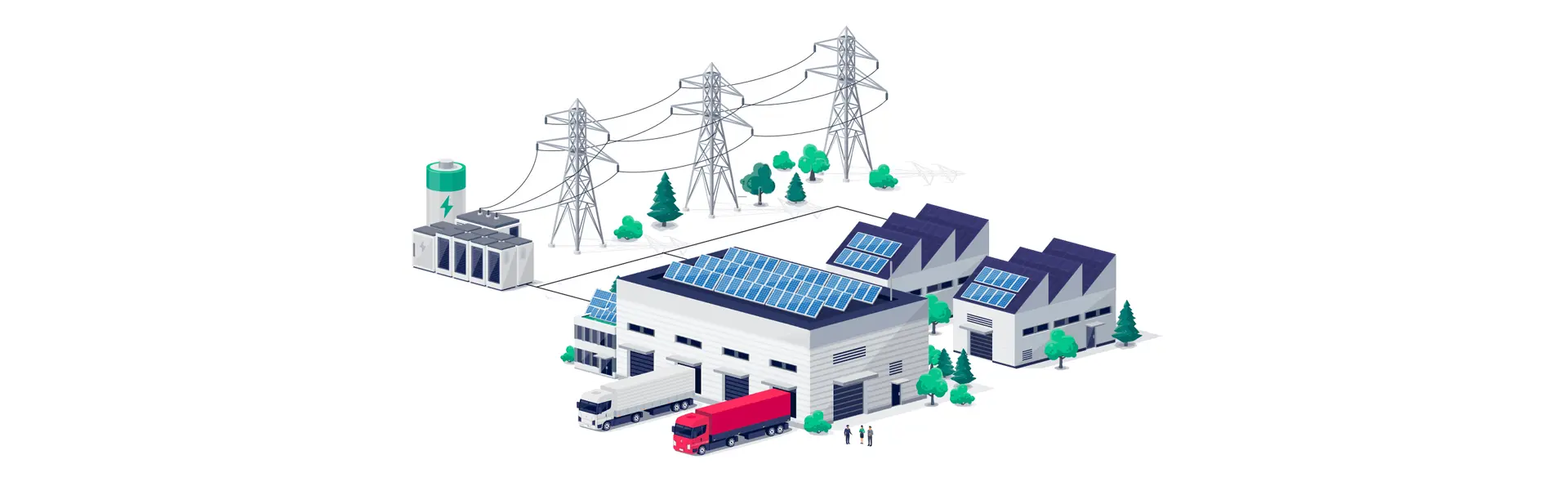
A photovoltaic energy storage system is the entire ecosystem that generates, converts and stores solar energy for future use. A PV storage system consists of solar panels, inverters, controllers, and storage devices that work together to capture sunlight, convert it into electricity, and store it for use during non-sunny times such as nighttime or cloudy days.
Main Components
Solar panels that absorb sunlight and produce direct current (DC) electricity.
Inverters, which convert DC power to AC power for home or industrial use.
Energy storage systems, such as lithium-ion batteries or other battery technologies, to store the electricity generated.
These systems can also be integrated with the grid, offering the possibility of selling excess electricity back to the grid (through net metering), further increasing their economic viability.
Key Advantages of Photovoltaic Energy Storage Systems
- Sustainability: Photovoltaic energy storage systems derive their energy directly from the sun, which is a clean and renewable source of energy that does not produce greenhouse gas emissions.
- Maximize solar energy: Solar energy can be stored for future use, ensuring that excess energy generated during peak sunlight hours is not wasted.
- Independence from the grid: With appropriate storage, PV systems offer significant energy autonomy, especially in off-grid areas or during grid interruptions.
- Environmental adaptability: PV systems often require a large amount of space for installation and are strongly influenced by geographical location and climatic conditions.
- System efficiency: The efficiency of a PV storage system is influenced by a number of factors, including the conversion efficiency of the PV cells, the charging and discharging efficiency of the storage batteries, and the integration and control strategy of the system.
- Cost: The initial investment cost of PV energy storage system is relatively high, but due to the free nature of solar energy, the long-term operating cost is low. With the development of technology, the cost of PV systems is gradually decreasing and stabilizing.
- Economic incentives: Many countries offer tax credits, rebates and other incentives for installing PV systems.
- Application Scenario: Combined with a battery storage system, the intermittency of PV power generation can be smoothed out to improve energy utilization efficiency. Suitable for areas with sufficient sunshine, it can be used for domestic, commercial or industrial scale power supply, as well as in remote areas or as an emergency backup power source.

Lithium Battery Storage Systems
Lithium battery storage systems, on the other hand, are stand-alone or integrated energy storage systems that use lithium-ion technology to store electrical energy. While lithium batteries can be used as part of a photovoltaic energy system, lithium batteries are versatile and can store energy from a variety of sources such as the grid, wind or other renewable energy sources.
Key Benefits of Lithium Battery Storage Systems
- High Energy Density: Lithium batteries can store more energy per unit of weight than other battery technologies, making them ideal for applications with high space and weight requirements.
- High Efficiency: Lithium batteries are known for their high charge/discharge efficiency, typically around 90-95%.
- Long cycle life: Lithium batteries can withstand thousands of charge/discharge cycles, making them a reliable long-term solution.
- Charge and Discharge Rates: Lithium batteries can be charged and discharged very quickly, making them suitable for energy storage applications that require a fast response time.
- Self-discharge rate: Lithium batteries have a low self-discharge rate, and even when not in use, the loss of power is relatively small.
- Scalability: Lithium battery storage systems can be easily expanded to meet the needs of residential, commercial and industrial applications.
- Environmental Adaptability: Lithium batteries can work in a wide range of temperatures and adapt to different environmental conditions.
- Application Scenario: Lithium battery storage systems are widely used in power frequency regulation, peak shaving, electric vehicles, portable electronic devices, and energy storage systems combined with renewable energy sources.
Key Differences Between Photovoltaic and Lithium Battery Energy Storage Systems
- Purpose:Photovoltaic (PV) systems are specifically designed to generate and store solar energy, while Li-ion battery systems focus on storing energy, regardless of whether the source of generation is solar, wind, or grid.
- Energy Source: PV systems rely primarily on solar power generation, while Li-ion battery systems can store multiple sources of energy.
- System Complexity: PV energy storage systems typically require a more complex setup (solar panels, inverters, charge controllers, and batteries), while Li-ion battery storage systems can be configured in simpler configurations, such as connecting directly to the grid or a wind turbine.
- Application Flexibility: Li-ion battery storage has a wider range of applications and can be used in more areas, including electric vehicles and non-solar backup power. And photovoltaic systems are inherently tied to solar power.
- Efficiency and Performance: Li-ion battery storage systems typically have higher energy density and longer lifetimes than storage components in PV systems, which may utilize a wider range of battery technologies (e.g., lead-acid or lithium-ion batteries).
Conclusion
Both photovoltaic (PV) energy storage systems and lithium battery storage systems are key to driving the clean energy revolution. Photovoltaic systems shine in the efficient use of solar energy and promote a sustainable future. On the other hand, Li-ion battery systems offer unrivaled versatility, scalability and efficiency in energy storage. Together, these technologies complement each other and form the backbone of modern energy solutions, ensuring that renewable energy can be efficiently stored and utilized when it is needed most. Understanding the differences between these two types of energy storage systems is essential for businesses, policymakers and consumers to make informed decisions about their energy storage solutions.


