

2025-04-18
Within Kenya's electric mobility revolution, electric motorcycles – particularly Boda Boda taxis and e-commerce delivery vehicles – have emerged as a core industry exceeding US$3.2 billion annually. Among all key components, batteries account for 30–40% of the vehicle's total cost, directly determining range, safety, and service life. Consequently, selecting a reliable, durable, and secure electric motorcycle battery for Kenya is of paramount importance.
Kenya experiences average daily temperatures of 18°C-28°C year-round, with highs reaching 31°C in February and March. The eastern coastal areas and northern semi-desert regions are hot and dry with little rainfall, while April-May and November are the rainy seasons. This environment presents the following key challenges for batteries:
High-temperature stability: Prolonged exposure to temperatures above 28°C can lead to capacity degradation and shortened battery life, necessitating the selection of high-temperature resistant cells.
Waterproofing and dustproofing: Rainy seasons bring water accumulation on roads and dusty rural dirt roads, requiring batteries with an IP65 or higher protection rating to prevent short-circuit failures.
Kenyan cities primarily have asphalt roads, but rural areas and tourist attractions often have bumpy dirt roads, and some areas have steep slopes. Electric motorcycles often need to carry loads of ≥0.5T (such as transporting agricultural products). This requires the battery to have:
Structural shock resistance: A reinforced outer shell and cushioning design to resist damage to the battery cells from frequent bumps;
Instantaneous discharge capability: An instantaneous current of 80-150A is required during start-up and climbing to match the peak torque demand of the motor.
Kenya's power grid coverage is only 26%, and even lower in rural areas, but distributed photovoltaic (PV) coverage reaches 29.9%, becoming an important energy supplementation method. Currently, a hybrid energy supplementation network has been formed, consisting of "urban fast charging + battery swapping + rural off-grid solar charging." Batteries must meet the following requirements:
Wide voltage compatibility: compatible with 48V-200V AC/DC charging, supporting 3.5kW DC portable charging;
Solar compatibility: compatible with rural off-grid PV systems, supporting a wide range of charging voltage inputs;
Power grid fluctuation resistance: Kenya's power grid stability is relatively weak, so batteries must have voltage fluctuation protection.
The mainstream electric motorcycle batteries in the Kenyan market include lead-acid batteries, lithium iron phosphate (LiFePO4) batteries, and ternary lithium batteries. Their compatibility is compared below:
|
|
LiFePo4 batteries |
NCM batteries |
Lead-acid batteries |
|
Core advantages |
High temperature resistance (operating temperature -20℃~60℃), cycle life exceeding 2000 cycles, high safety, supports fast charging, and resistant to bumps. |
High energy density (220Wh/kg), lightweight, and long driving range |
The initial purchase price is low, the technology is mature, and it requires routine maintenance, but the maintenance is simple. |
|
Core risks |
The initial purchase price is higher than that of lead-acid batteries, so customers need to be educated about the long-term cost-effectiveness. |
High risk of thermal runaway at high temperatures (triggered at 200-300℃) |
Only 300-500 cycles (must be replaced every 2 years), high return rate; heavy weight (increases transportation costs); contains electrolyte, requiring additional leak-proof certification for customs clearance. |
|
Suitable for customer groups |
Boda (Boda operator), courier company. |
Niche high-end commuter market |
Individual riders on a tight budget, short-distance commuters (small single-purchase quantities) |
Key findings from lithium battery distributor LEAD-WIN: Lithium iron phosphate batteries meet over 90% of the Kenyan market demand, and are particularly suitable for bulk purchases and BaaS (Battery as a Service) partnerships; lead-acid batteries can be used as an entry-level supplementary product, but inventory levels should be controlled (ideally not exceeding 20%); ternary lithium batteries can also be stocked in moderation, but only for specific niche markets.
Voltage Selection: Mainstream compatibility is 48V-72V, with 48V/60Ah lithium iron phosphate batteries being the standard configuration for battery swapping networks (such as Roam and ARC Ride), offering the strongest compatibility and direct connection to most battery swapping stations. For commercial passenger transport or mountain transportation, 60V-72V is recommended to match the high torque output requirements of the motor.
Capacity Selection:
Urban commuting (50-80km per day): 48V/40Ah-50Ah, sufficient for a single day's round trip without charging;
Commercial passenger transport (120-150km per day): 48V/60Ah or 60V/45Ah, supporting all-weather operation, with rapid replenishment via 20-minute fast charging;
Rural transport (heavy load + long distance): 72V 60Ah lithium battery, balancing range and load capacity.
Cycle life: For commercial use, batteries with ≥2000 cycles (mainstream level for lithium iron phosphate batteries) are preferred. Based on one charge-discharge cycle per day, this translates to over 5 years of use, significantly reducing replacement costs. For personal use, products with ≥1500 cycles are recommended.
Charging efficiency: Urban users should prioritize batteries supporting DC fast charging (0-80% charging time ≤ 20 minutes). Rural users should choose batteries supporting solar slow charging, with a charging current compatible with the 10A-20A range.
Safety Protection: Must possess quadruple protection functions against overcharge, over-discharge, short circuit, and over-temperature. The BMS (Battery Management System) must be compatible with the high-temperature environment of Kenya, with an automatic power-off threshold set at 60℃.
Protection Rating: Minimum IP65 (dustproof and waterproof). For rural and rainy areas, IP67 is recommended to ensure uninterrupted operation even after 300mm of wading.
Structural Strength: The outer casing is made of ABS engineering plastic or aluminum alloy, featuring impact and crush-resistant design, suitable for bumpy road conditions.
Core requirements: Short-range, high-frequency use; convenient charging; lightweight.
Recommended configuration: 48V/40Ah-50Ah lithium iron phosphate battery, supports 20-minute DC fast charging, IP65 protection, weight ≤15kg.
Selection points: Prioritize batteries compatible with local fast charging networks; pay attention to M-Pesa mobile payment charging compatibility.
Core requirements: Long battery life, high cycle life, and rapid recharging;
Recommended configuration: 48V/60Ah or 60V/50Ah lithium iron phosphate battery, cycle life ≥ 2000 cycles, supporting battery swapping;
Selection points: Choose battery brands that have joined battery swapping networks such as Roam and ARC Ride to ensure a 5-minute rapid battery swap and reduce operational costs.
Core Requirements: High load capacity, tolerance to harsh environments, solar energy compatibility;
Recommended Configuration: 72V/60Ah-80Ah lithium iron phosphate battery, IP67 protection, supports 12V-48V wide voltage solar charging, instantaneous discharge current ≥120A;
Selection Points: Battery should have a dust-resistant design, BMS should support off-grid charging equalization management, and brands with local after-sales service networks should be prioritized.
Core Requirements: Low cost, easy maintenance, basic battery life
Recommended Configuration:12V series lead-acid battery pack (48V/20Ah) or entry-level 48V/30Ah lithium iron phosphate battery
Selection Points: For lead-acid batteries, choose maintenance-free (AGM/GEL) models to avoid frequent water additions; for lithium iron phosphate batteries, choose products with a warranty of ≥2 years to reduce future risks and balance management; prioritize brands with local after-sales service networks.

Based on Kenya's tropical climate, complex road conditions, and power infrastructure, LEAD-WIN has selected five high-performance lithium batteries, all of which are heat-resistant, waterproof and dustproof, have long cycle life, and high safety, making them perfectly suited for the use of electric motorcycles in Kenya.
The 72V 60Ah high-capacity battery pack is designed for fleet operations and battery swapping stations. It uses CATL composite material cells, supports 3C fast charging, and features optimized cycle life and high-temperature stability. It is ideal for urban and intercity delivery, battery swapping, and long-range boda boda operations in Kenya. Quick access to product pages >>
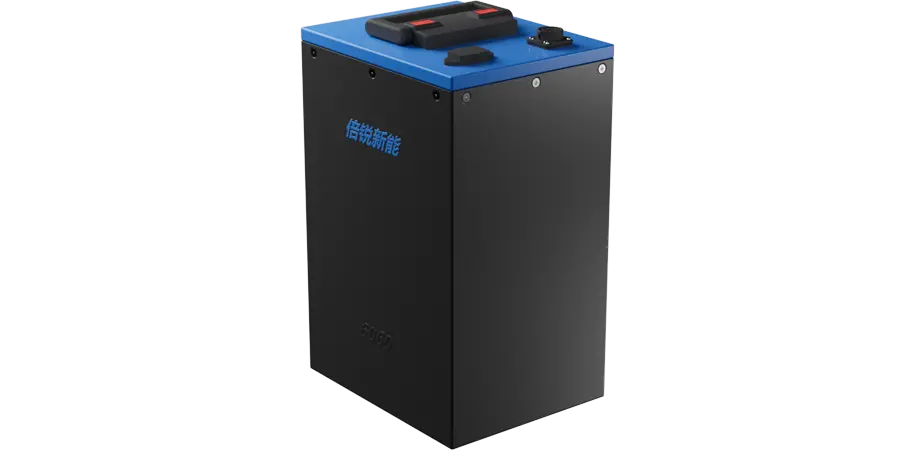
Main features:
The 72V 45Ah LiFePo4 battery is designed for commercial vehicles or high-end vehicles requiring high power output but with strict weight and cost controls. It balances range and cost efficiency, and performs stably in Kenya's dusty and high-temperature environment. Quickly access the product page >>
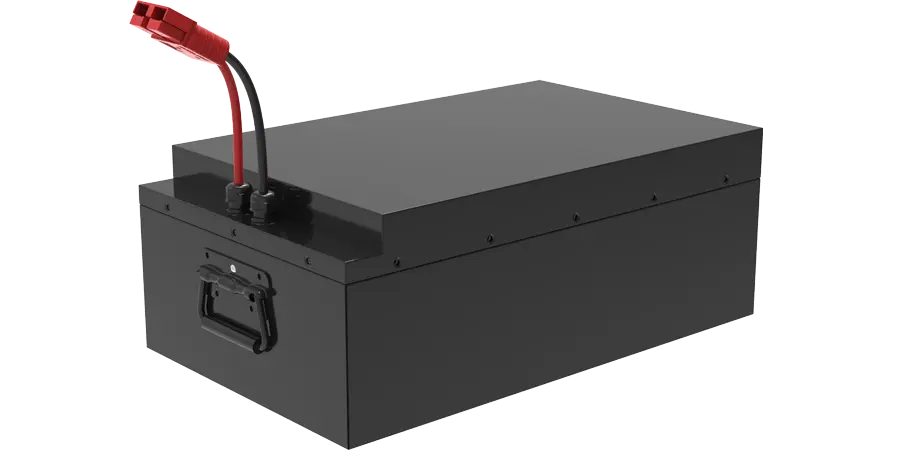
Main features:
The 60V 45Ah LiFePo4 battery is one of the most mainstream and popular specifications in the Kenyan market. It's specifically designed for short-distance delivery scenarios, balancing cost, range, and durability. Based on the widely used 60V platform, it's compatible with most electric motorcycle models, and lithium iron phosphate technology provides reliable performance. Quickly access the product page >>
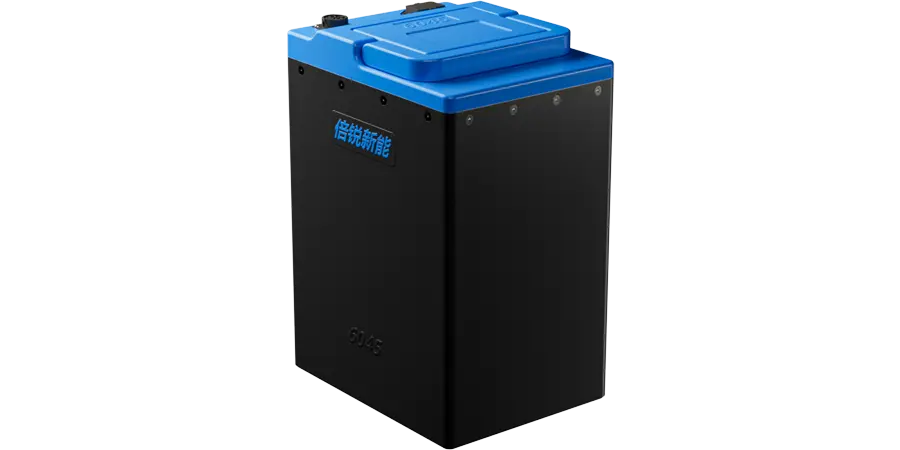
Main features:
This 60V 30Ah lithium battery uses a ternary lithium (NCM) chemistry system and is specifically designed for high-altitude, low-temperature areas in Kenya (such as the highlands around Nairobi) and short-distance, high-frequency commuting in urban areas. It is compatible with 1000-2000W motors, offers a range of 60-80km on a full charge, and weighs only 12.6kg. It can be easily loaded and unloaded by a single person, making it suitable for individual users with high portability requirements and short-distance delivery scenarios. Quickly access the product page >>

Main features:
60V 20Ah lithium battery designed for entry-level, high-reliability applications in Kenya, catering to personal short-distance commuting, rural basic transport, and budget-conscious users. Compatible with 800-1500W motors, it delivers a full-charge range of 50-70km. Its compact dimensions (300 × 165 × 90 mm) enable compatibility with various small electric motorcycles, presenting an environmentally friendly and economical alternative to traditional lead-acid batteries. Quickly access the product page >>
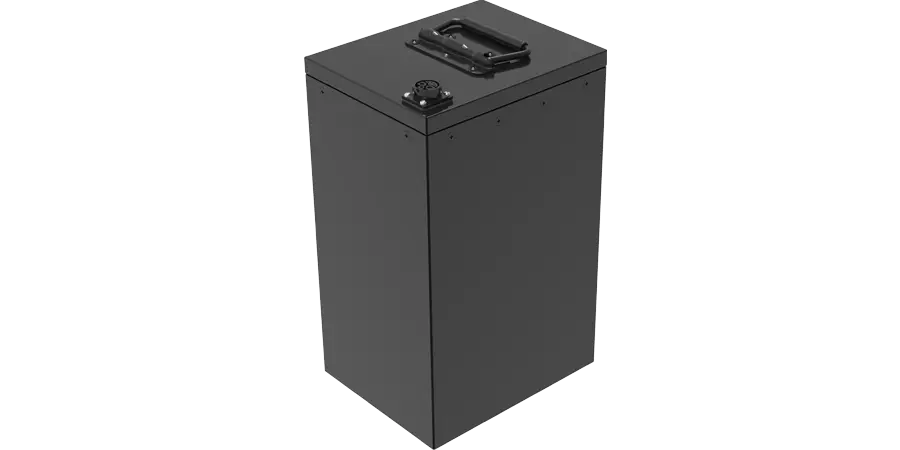
Main features:

A: It depends on your intended use:
72V battery: Provides more power, especially suitable for users who frequently climb hills (such as in the hilly areas of Nairobi) or carry heavy loads (often carrying passengers or heavy cargo). It offers better acceleration and hill-climbing performance.
60V battery: Offers high cost-effectiveness and has the widest vehicle compatibility, sufficient for daily commuting needs in most urban and flat areas. It is currently the most mainstream and economical choice.
A: This is a very important concern. Yes, voltage fluctuations are significant in parts of Kenya, which can damage the battery.
Solutions: Use a high-quality charger: Ensure the charger that came with your battery supports a wide voltage input (e.g., 100V-240V) and has built-in overvoltage and undervoltage protection.
Use a voltage regulator: In areas with particularly unstable voltage, we recommend that customers purchase a home voltage regulator. This is the best investment to protect the battery and all your appliances.
Avoid charging during peak electricity usage times.
A: This is the question customers care about most, and dealers must explain it clearly.
Standard Warranty: For defects in materials and workmanship, within a certain number of years or cycles, if the battery capacity abnormally decreases (e.g., below 70%) or becomes inoperable, repair or replacement services are available.
Circumstances that void the warranty (Disclaimer):
Human-caused damage: Such as cracked casing, water damage, or impact.
Unauthorized disassembly: Any unauthorized opening of the battery casing.
Using an incompatible charger.
Failure to perform maintenance and use as instructed.
A: Choosing a good supplier is more important than choosing the battery itself. We should ensure that the lithium battery manufacturer possesses the following:
Choosing the right electric motorcycle battery for the Kenyan market requires comprehensive consideration of technical performance, local adaptability, supplier capabilities, and total cost of ownership. Currently, lithium iron phosphate batteries are the ideal choice for the Kenyan market due to their safety, long lifespan, and high-temperature resistance. For distributors, establishing a rigorous supplier evaluation system, emphasizing after-sales support capabilities, and building long-term partnerships with reliable suppliers will be key to success in the Kenyan electric motorcycle market.


